- Tel: +86 13451474678 / 13451474678
- Email: / hbzinanmech@gmail.com



helical gear drive
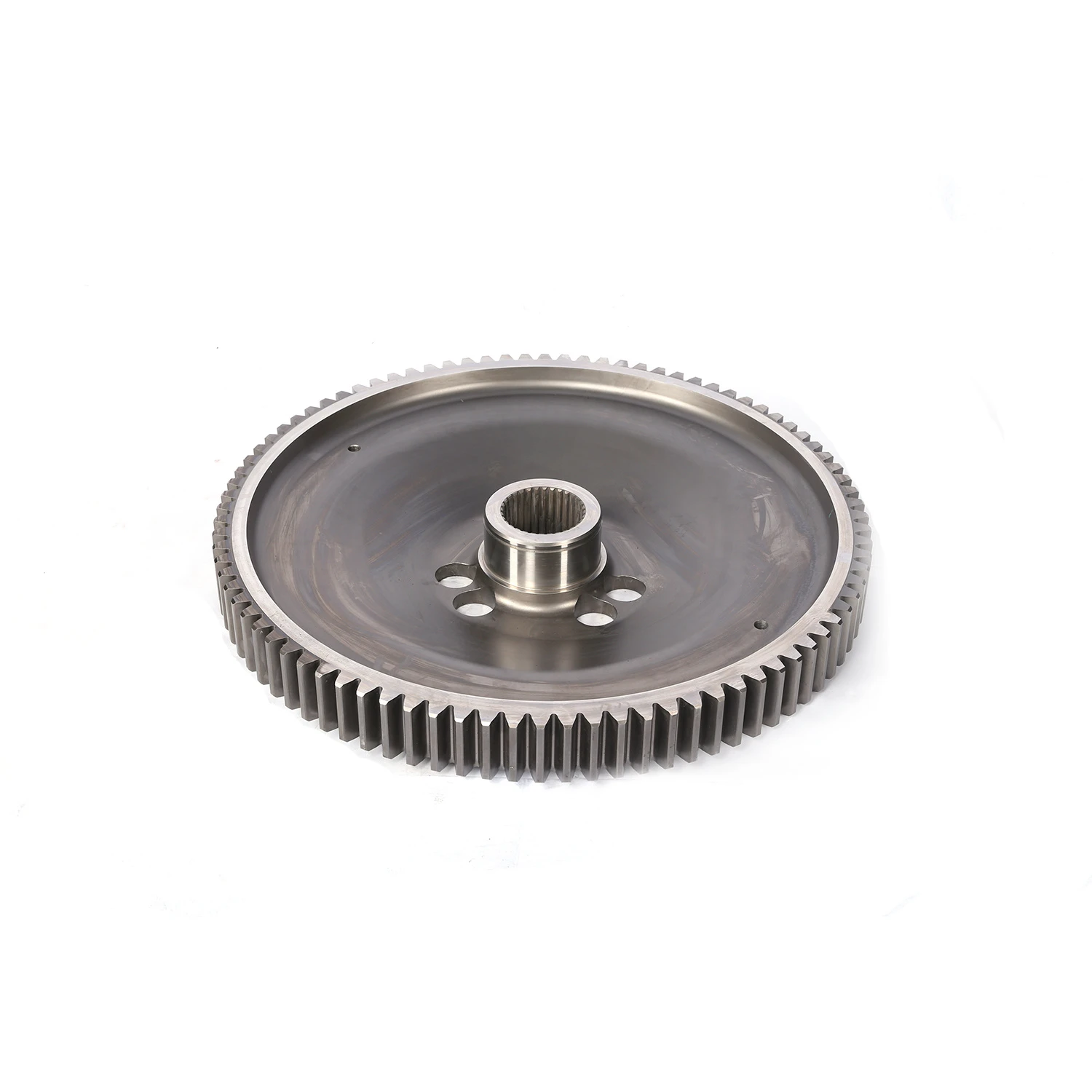
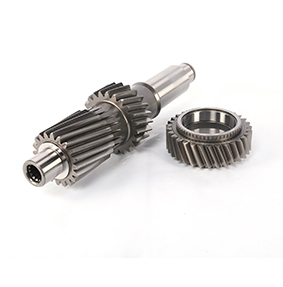
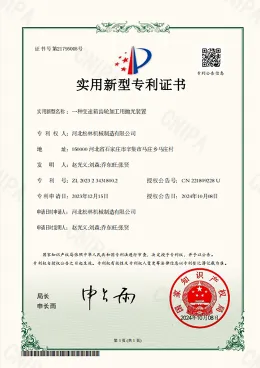
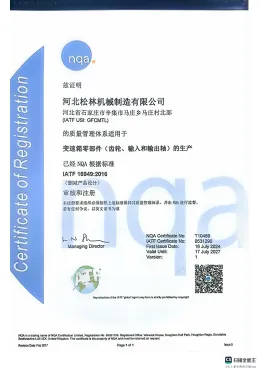
The Critical Role of Helical Gears in Modern Industrial Applications In the realm of mechanical power transmission, the helical gear stands as a cornerstone technology, celebrated for its superior operational characteristics compared to traditional spur gears. Its unique tooth design, featuring teeth cut at an angle to the gear's axis, facilitates a gradual meshing engagement, leading to significantly quieter and smoother power transfer. This fundamental advantage makes helical gear s indispensable across a vast spectrum of B2B applications, from high-precision machinery to heavy-duty industrial equipment. Current industry trends in mechanical engineering emphasize increased efficiency, reduced noise pollution, and enhanced durability. Helical gear s directly address these demands, offering higher load-carrying capacity and reduced vibration due to the extended contact ratio between meshing teeth. This design characteristic translates into improved system reliability and extended service life for critical components, directly impacting operational costs and productivity for industrial enterprises. The push towards Industry 4.0 and smart manufacturing also elevates the importance of precision-engineered components like helical gear s, where consistency and performance are paramount for automated systems and predictive maintenance strategies. Precision Manufacturing Process Flow for Helical Gears The production of a high-quality helical gear is a meticulous, multi-stage process that combines advanced metallurgical techniques with precision machining. Our manufacturing protocol ensures superior product integrity, extended service life, and optimal performance across demanding industrial environments. Materials and Initial Processing The foundation of a durable helical gear begins with material selection. Commonly utilized materials include high-strength alloy steels such as 20CrMnTi, 42CrMo, and 18CrNiMo7-6, selected for their excellent hardenability, wear resistance, and fatigue strength. For specific applications requiring enhanced corrosion resistance, materials like stainless steel or specialized non-ferrous alloys may be employed. Forging/Casting: Raw materials undergo forging to refine grain structure and improve mechanical properties, or casting for complex geometries, followed by stress relieving. Rough Machining: Initial turning, milling, and drilling operations shape the blank close to its final dimensions, preparing it for precise gear generation. Gear Cutting and Heat Treatment The defining feature of the helical gear is its angled teeth, precisely formed through advanced gear cutting techniques. Gear Cutting (Hobbing/Shaping): CNC hobbing machines, designed for high precision, are used to generate the helical teeth. The process involves a rotating cutting tool (hob) and a synchronized rotation of the gear blank, allowing for the precise formation of the helix angle. For internal gears or when hobbing is not feasible, gear shaping is employed. The accuracy of this stage is critical for the smooth operation of the rack pinion system. Heat Treatment: Post-cutting, gears undergo meticulously controlled heat treatment processes, such as carburizing, carbonitriding, hardening, and tempering. These processes enhance surface hardness (e.g., HRC 58-62), improve core toughness, and create a highly wear-resistant case while maintaining a resilient core, significantly extending the helical gear ’s service life. Finish Machining and Quality Assurance Achieving the tight tolerances and superior surface finish required for optimal helical gear performance involves advanced finishing operations. Grinding/Honing/Lapping: Precision grinding (e.g., profile grinding, lead grinding) is applied to hardened gears to correct any distortions from heat treatment and achieve exact tooth profiles, lead, and pitch accuracy. This step is crucial for minimizing backlash and ensuring quiet, efficient operation. Inspection & Testing: Adherence to international standards such as ISO 1328-1 (for gear accuracy), ANSI/AGMA 2015, and DIN 3962 is rigorously maintained. Each helical gear undergoes comprehensive inspection, including CMM (Coordinate Measuring Machine) analysis for tooth profile, lead, runout, and pitch accuracy. Material hardness (Rockwell, Vickers), surface finish, and magnetic particle inspection for sub-surface flaws are also standard. Surface Treatment (Optional): Depending on environmental exposure and application, protective coatings such as black oxide, phosphating, or specialized anti-corrosion treatments may be applied. Advantages in Typical Application Scenarios Our precision-engineered helical gear s deliver significant advantages across target industries, including petrochemical, metallurgy, mining, water supply & drainage, automotive, and agricultural machinery. Energy Saving: The smooth, continuous contact reduces friction and wear, leading to higher transmission efficiency and lower energy consumption in applications like industrial gearboxes and pump drives. Corrosion Resistance: Through appropriate material selection and surface treatments, our gears withstand harsh operating environments, crucial for sectors like water treatment and offshore oil and gas, ensuring extended operational life. Reduced Noise and Vibration: The gradual tooth engagement significantly lowers operational noise and vibration levels, contributing to improved operator comfort and compliance with environmental regulations in automotive and manufacturing settings. Technical Specifications and Performance Parameters Understanding the critical parameters of helical gear s is essential for optimal selection and integration into power transmission systems. Our products are engineered to meet stringent technical specifications, ensuring peak performance and reliability. Key Technical Parameters of Helical Gears Parameter Description Typical Range / Value Helix Angle (β) Angle at which the teeth are inclined to the gear axis. Crucial for smooth engagement. Usually 8° to 45° Normal Module (Mn) Ratio of pitch diameter to number of teeth, measured perpendicular to the tooth. 0.5 to 20 mm (or more for heavy duty) Face Width (F) The width of the gear tooth measured along the gear axis. Directly impacts load capacity. 5 to 250 mm Pressure Angle (α) Angle between the line of action and the common tangent to the pitch circles. Typically 20° or 25° Material Hardness Surface hardness after heat treatment, essential for wear resistance. HRC 58-62 (Case Hardness) Accuracy Grade Classification according to ISO 1328-1 or AGMA 2015 for precision. ISO Grade 5-9 (DIN/AGMA equivalent) Surface Roughness (Ra) Measure of the finest surface irregularities. Lower Ra indicates smoother finish. 0.4 - 1.6 μm (ground), 3.2 - 6.3 μm (hobbed) These parameters, meticulously controlled throughout the manufacturing process, dictate the load-carrying capacity, efficiency, noise levels, and overall operational lifespan of the helical gear in its intended application. Diverse Application Scenarios for Helical Gears The inherent advantages of helical gear s – their smooth, quiet operation and high load capacity – make them ideal for a wide array of industrial and commercial applications requiring reliable and efficient power transmission. Automotive Industry: Widely used in manual and automatic transmissions, differentials, and power steering systems where noise reduction and smooth torque transfer are crucial. Industrial Machinery: Essential components in a variety of machinery, including conveyors, extruders, mixers, pumps, compressors, and machine tools, ensuring consistent and robust operation. Aerospace & Defense: Employed in actuator systems, landing gear mechanisms, and control surface operations where precision, lightweight design, and high reliability under extreme conditions are non-negotiable. Agriculture Equipment: Critical for power take-offs (PTOs), gearboxes in tractors, rotary tillers (such as the applications for rotary tiller gear shafts), harvesters, and other farm machinery where robust power delivery and durability are paramount in challenging environments. Power Generation: Found in wind turbine gearboxes, hydroelectric power systems, and other renewable energy applications where efficient and high-torque transmission is required. Mining & Construction: Utilized in heavy-duty excavators, loaders, crushers, and drilling equipment, providing the necessary torque and reliability for demanding, continuous operations. Material Handling: Key components in cranes, hoists, and automated storage and retrieval systems (AS/RS), facilitating precise and controlled movement of heavy loads. The versatility of the helical gear design allows for tailored solutions that optimize performance, whether for high-speed, low-noise environments or high-torque, heavy-duty applications. Technical Advantages Driving Industry Preference The widespread adoption of helical gear s across diverse industries is directly attributable to their distinct technical advantages over other gear types. These benefits contribute to enhanced system performance, extended operational life, and reduced maintenance. Smooth and Quiet Operation: Unlike spur gears, where tooth engagement is sudden and along the entire face width, helical gear teeth engage gradually. This progressive contact reduces shock and vibration, resulting in significantly smoother and quieter operation. This is a crucial factor in applications such as automotive transmissions and industrial robots. Higher Load Carrying Capacity: The angled teeth of a helical gear allow for a larger contact ratio and multiple teeth to be in mesh simultaneously. This distributes the load over a greater area, increasing the load-carrying capacity for a given gear size and extending the lifespan of the gear set. Reduced Vibration and Shock Loading: The continuous, rolling contact of helical teeth minimizes impact loading, which is a common issue with spur gears. This reduction in dynamic loading leads to less wear, increased durability of surrounding components, and improved overall system stability. Suitability for High-Speed Applications: The smooth engagement characteristic makes helical gear s exceptionally well-suited for high-speed applications where vibration and noise must be minimized to maintain efficiency and integrity. Space Efficiency: For a given torque requirement, helical gear s can often be designed more compactly than spur gears due to their higher load capacity, leading to more space-efficient gearbox designs. Versatile Configurations: Helical gears can be used in parallel shaft arrangements, similar to spur gears, but also in crossed-axis configurations (e.g., worm drives or screw gears) to transmit power between non-intersecting, non-parallel shafts. These advantages collectively contribute to a lower total cost of ownership by reducing maintenance, improving energy efficiency, and extending the operational lifespan of critical machinery. Vendor Comparison and Selection Criteria Selecting the right manufacturer for helical gear s is a critical decision that impacts the performance, reliability, and longevity of your industrial machinery. A thorough vendor comparison should extend beyond mere cost, focusing on capabilities, quality assurance, and long-term support. Key Factors in Vendor Evaluation: Manufacturing Precision & Capabilities: Assess the vendor's investment in state-of-the-art CNC machining centers, hobbing machines, and grinding equipment. Look for evidence of precision gear cutting technologies, including profile and lead grinding, which are essential for high-accuracy helical gear s. Material Expertise & Heat Treatment: A reputable vendor will have deep knowledge of metallurgy, recommending optimal alloy steels and performing advanced heat treatments (e.g., carburizing, nitriding, induction hardening) to achieve desired hardness, toughness, and wear resistance for the specific application. Quality Control & Certifications: Verify certifications like ISO 9001, which signifies a commitment to quality management systems. Inquire about their in-house metrology capabilities (CMM, gear inspection machines) and adherence to international standards (e.g., AGMA, DIN, ISO). Customization Capabilities: For specialized applications, the ability to provide tailored solutions—including custom helix angles, modules, face widths, and shaft integrations—is invaluable. Lead Times & Delivery Reliability: Evaluate their production capacity and logistics to ensure timely fulfillment of orders, especially for large-volume or critical projects. Technical Support & After-Sales Service: A strong vendor offers comprehensive technical consultation during design, troubleshooting support, and availability of replacement parts throughout the product lifecycle. Experience & Reputation: Look for vendors with a proven track record, years of experience in the industry, and positive customer testimonials or case studies from similar B2B clients. Typical Vendor Comparison Matrix: Criterion Premium Manufacturer (e.g., ZinAn Mech) Standard Manufacturer Accuracy Grades (ISO) ISO Grade 5-7 (High Precision) ISO Grade 8-10 (Standard Precision) Surface Finish (Ra) Ra 0.4-0.8 μm (Ground) Ra 1.6-3.2 μm (Hobbed/Shaped) Heat Treatment Controlled Carburizing, Induction Hardening, Nitriding Standard Hardening & Tempering Material Traceability Full Batch Traceability & Certificates Limited or Basic Traceability Customization Extensive (Design, Material, Coatings) Limited to Standard Variations Certifications ISO 9001, Material Certifications Basic Quality Control Customized Solutions for Unique Industrial Demands While standard helical gear s serve many applications, specialized industrial requirements often demand bespoke solutions. Our engineering expertise lies in developing highly customized gear components that perfectly integrate with complex machinery and stringent operational parameters. Our approach begins with a comprehensive analysis of the client's application, considering factors such as operating environment (temperature, corrosion, lubrication), load cycles, speed requirements, noise limitations, and available space. This allows us to tailor every aspect of the helical gear , from material selection to tooth geometry and surface treatment. Material Optimization: Selection of specialized alloys (e.g., aerospace-grade steels, marine-grade stainless steels) to combat extreme temperatures, aggressive chemical exposure, or to reduce weight without compromising strength. Precision Tooth Profile Modification: Tailoring helix angle, pressure angle, and tooth profile (e.g., tip relief, root relief) to optimize for specific load distribution, minimize backlash in rack pinion systems, or achieve ultra-quiet operation. Advanced Surface Treatments & Coatings: Application of specialized coatings like DLC (Diamond-Like Carbon) for extreme wear resistance, anti-friction coatings, or specific corrosion-resistant layers to prolong life in aggressive environments. Integrated Gear Shaft Designs: Manufacturing helical gear s directly onto shafts (e.g., rotary tiller gear shafts ) for reduced assembly time, improved concentricity, and enhanced overall strength and rigidity. Prototyping and Testing: Offering rapid prototyping services and comprehensive in-house testing to validate designs and ensure that customized gears meet or exceed performance expectations before full-scale production. Our engineering team collaborates closely with clients from concept to delivery, leveraging CAD/CAM and FEA (Finite Element Analysis) tools to ensure that every customized helical gear solution is optimized for performance, cost-efficiency, and long-term reliability. Real-World Application Case Studies Our commitment to precision and durability is reflected in the successful integration of our helical gear solutions across various challenging industrial applications. Case Study 1: Enhancing Performance in Agricultural Machinery A leading agricultural equipment manufacturer faced consistent issues with noise and premature wear in their heavy-duty rotary tillers, stemming from standard spur gears. We developed a custom rotary tiller gear shaft featuring an optimized helical gear design. By utilizing high-strength 20CrMnTi steel and applying precise gear grinding after carburization, we achieved an ISO Grade 6 accuracy. Results: The client reported a 40% reduction in operational noise, a 25% increase in torque transmission efficiency, and a projected 50% increase in the service life of the tiller gearbox, leading to reduced warranty claims and enhanced brand reputation. This upgrade significantly improved operator comfort and machine reliability in rugged farming conditions. Case Study 2: Optimizing Efficiency in a Petrochemical Pumping System A petrochemical plant required a robust and corrosion-resistant gear solution for a critical high-pressure pumping system, operating continuously with minimal downtime. Standard gears were failing prematurely due to chemical exposure and continuous heavy loading. We engineered custom helical gear s from a specialized stainless steel alloy (Duplex 2205) with a specific surface hardening treatment for enhanced chemical resistance and a modified helix angle for optimal load distribution. Results: The new helical gear s demonstrated exceptional resistance to the corrosive fluids and maintained consistent performance under high operational stress. The plant experienced a significant reduction in unscheduled maintenance events and an estimated 15% improvement in pump system energy efficiency due to reduced friction and smoother power transfer. Case Study 3: Noise Reduction in Automated Packaging Lines A manufacturer of high-speed automated packaging machinery aimed to reduce noise levels on their production lines to meet stricter workplace safety standards and improve employee comfort. Their existing systems used spur gears, which generated considerable operational noise. We provided precision-ground helical gear sets with optimized backlash settings. Results: The integration of our helical gear s resulted in an average 8-10 dB reduction in noise levels across the packaging lines, bringing them well within regulatory limits. This improvement also led to smoother machine operation, reducing wear on other components and contributing to an overall increase in machine uptime. Ensuring : Quality, Trust, and Support Our dedication to Google's (Expertise, Experience, Authoritativeness, Trustworthiness) standards is embedded in every aspect of our operations, from product design to customer support. Expertise & Authoritativeness Certified Excellence: We operate under ISO 9001:2015 certified quality management systems, ensuring consistent product quality and process reliability. Our adherence to international gear standards like AGMA, DIN, and ISO 1328-1 underscores our authoritative approach to precision engineering. Decades of Experience: With over 20 years in the precision gear cutting industry, our engineers possess unparalleled expertise in designing, manufacturing, and optimizing helical gear solutions for the most demanding B2B applications. Strategic Partnerships: We serve as a trusted supplier to global leaders in agricultural machinery, industrial automation, and heavy equipment, a testament to our consistent quality and reliability. Trustworthiness: FAQ, Lead Time, Warranty, & Support Frequently Asked Questions (FAQ) Q: What is the primary advantage of a helical gear over a spur gear? A: Helical gear s offer smoother and quieter operation due to gradual tooth engagement, higher load-carrying capacity, and reduced vibration compared to spur gears. Q: What materials are typically used for heavy-duty helical gears? A: For heavy-duty applications, alloy steels like 20CrMnTi, 42CrMo, and 18CrNiMo7-6 are commonly used, often followed by case hardening heat treatments to enhance wear resistance and core strength. Q: Can you produce custom helical gears to specific design requirements? A: Yes, we specialize in customized solutions, including tailored material selection, unique tooth geometries, specific helix angles, and advanced surface treatments, precisely engineered to your application's needs. Q: How do you ensure the quality and accuracy of your gears? A: We employ a multi-stage quality control process, including CMM inspections, optical scanning, material hardness testing, and adherence to ISO, AGMA, and DIN standards throughout manufacturing. All processes are governed by our ISO 9001 certified quality management system. Lead Time and Fulfillment Our efficient production processes and robust supply chain management enable competitive lead times. For standard or existing designs, lead times typically range from 4 to 6 weeks. Custom helical gear solutions, depending on complexity and material sourcing, generally require 8 to 12 weeks from design approval to delivery. We maintain transparent communication regarding production schedules and provide regular updates on order status. Expedited services may be available upon request. Warranty Commitments We stand behind the quality and craftsmanship of our helical gear s with a comprehensive warranty against manufacturing defects. Our standard warranty period is 12 to 24 months from the date of delivery, depending on the product type and application. Specific warranty details are provided with each order, ensuring peace of mind for our clients. Customer Support and After-Sales Service Our commitment extends beyond product delivery. We provide dedicated technical support, offering expert assistance with installation, maintenance, and operational optimization. Our after-sales service includes prompt provision of spare parts, troubleshooting guidance, and ongoing technical consultation to ensure the long-term, reliable performance of your systems. Our experienced team is readily available to address any inquiries or support needs. References ISO 1328-1:2013. Cylindrical gears – ISO system of accuracy – Part 1: Definitions and allowable values of deviations relevant to flanks of gear teeth. International Organization for Standardization. AGMA 2015-1-A01. Accuracy Classification System – Tangential Measurements for Cylindrical Gears. American Gear Manufacturers Association. Dudley, D. W. (1994). Dudley's Handbook of Practical Gear Design and Manufacture. CRC Press. Norton, R. L. (2019). Machine Design: An Integrated Approach. 6th Edition. Pearson. DIN 3962. Tolerances for Cylindrical Gear Teeth. Deutsches Institut für Normung.
-
0YEARS IN THE FIELD
-
0 KEXPERIENCED STAFFS
-
-
-
0 kACCOMPLISHED PROJECT
-
0SATISFIED CLIENTS
-
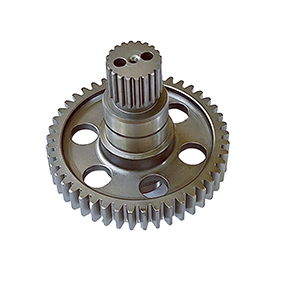
01The Application of Agricultural Machinery Gears In The IndustryAgricultural machinery gears are widely used in the agricultural machinery industry. In tractors, gears are applied to the transmission system. They can transmit the power from the engine to the wheels and achieve different speeds and torques through different gear combinations, so as to adapt to various working conditions such as plowing and transportation.
-
02Application of ComponentsIn agricultural machinery, the gearbox is mainly used to change the transmission ratio. Taking a tractor as an example, when the tractor needs to drive slowly in the field to cultivate the land and other operations, the gearbox can transmit the power of the engine through a lower transmission ratio, thereby outputting a larger torque to ensure that the agricultural machine has enough power to drive the agricultural implement for deep farming and other operations.
-
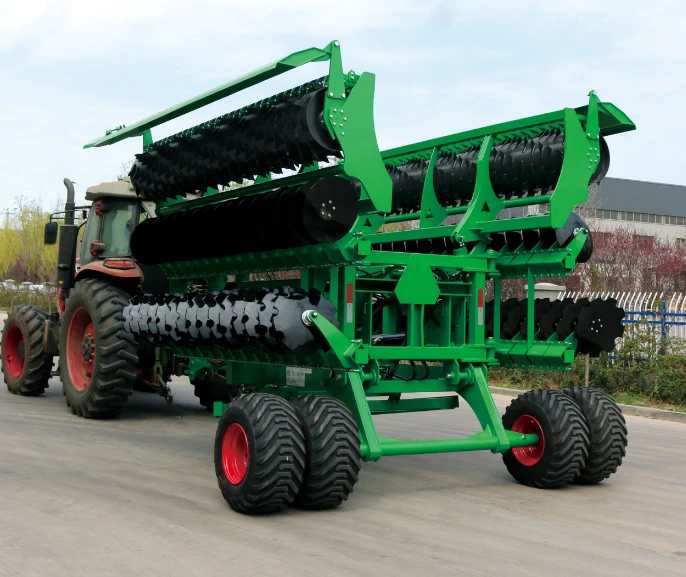
03Application of Agricultural MachineryField operations: Tractors are one of the most important power machines in agricultural production. In cultivated land operations, it can use powerful power to drive ploughshares to till the land by mounting ploughs to turn, break and level the soil, creating good soil conditions for sowing. For cultivator operations, it can mount cultivators to perform operations such as weeding, loosening and soil cultivation during crop growth to promote the growth of crop roots and nutrient absorption.
International layout
Spread all over the world
Our agricultural machinery products have won wide recognition and trust in the global market, and our sales network covers many countries and regions.
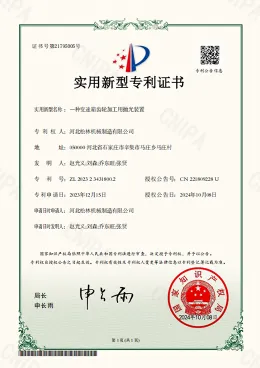
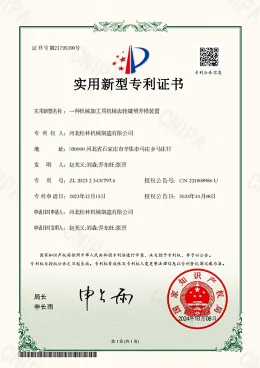

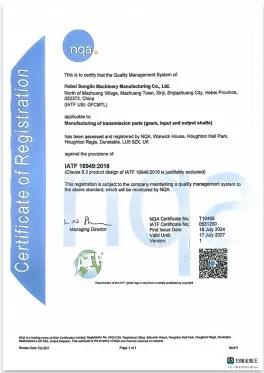
-
2026-04-04 22:47Tractors for Sale Global Shipping SolutionsAs a wholesaler dealing in agricultural and landscaping machinery, offering efficient tractors for s>

-
2026-04-04 22:28Exploring the World of Rear Drive AxlesIn the realm of automotive engineering, rear drive axles play a crucial role in the performance and>
-
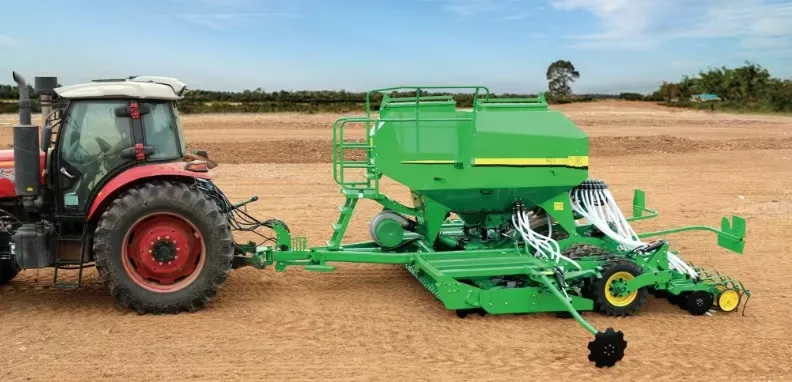
2026-04-04 22:09Air Suction No Till Seeder-Zinan Technology Co., Ltd._Precision Farming Technology&Soil AdaptabiAs global agricultural demands continue to rise, the need for efficient, sustainable, and precise fa>

Sign up
for Newsletter
Subscribe to the weekly newsletter for all the latest updates